Sri Lanka Red Cross Society Launches First sEAP to Combat Dengue – A Milestone in Anticipatory Action
The Sri Lanka Red Cross Society (SLRCS) has launched the first Red Cross Red Crescent Movement’s Simplified Early Action Protocol (sEAP) for dengue—a historic achievement that marks a new era in anticipatory public health response. Validated by the International Federation of Red Cross and Red Crescent Societies (IFRC), this groundbreaking initiative enables early, targeted interventions to mitigate the impact of dengue outbreaks in high-risk areas across the country.
“This marks a significant step forward in applying anticipatory action to dengue preparedness,” said Dr. Mahesh Gunasekara, Director General of SLRCS. “By activating interventions based on rainfall forecasts and weekly case data, we can respond before outbreaks escalate—empowering our volunteers and branches to take timely, community-level action guided by evidence-based triggers.”
Dengue remains endemic in Sri Lanka, with cases reported year-round and spikes during monsoon seasons. The nation has faced recurrent outbreaks since the 1960s. In 2024 alone, over 89,000 suspected cases were recorded—a substantial increase from 2023—driven by high rainfall, inadequate waste management, and densely populated urban areas.
Targeted Early Action in High-Risk Areas
The sEAP is designed to support across five high-incidence districts—Colombo, Gampaha, Kalutara, Kandy, and Jaffna—by using real-time climate and epidemiological data to guide early action. Two specific trigger mechanisms have been established:
- Readiness Trigger: Activated when rainfall forecasts by the Department of Meteorology exceed 100mm in the Western Province—conditions that often precede a rise in mosquito breeding.
- Early Action Trigger: Initiated when weekly dengue caseloads surpass 1,500 cases in May, June, July, December, or January, or when district figures exceed 1.5 times the monthly average based on Ministry of Health data.
These triggers provide a 2–4 week lead time to initiate preventive interventions.
Predefined, Community-Based Interventions
Once activated, the protocol enables a suite of predefined actions in high-risk districts, including:
- Identification of high-risk zones
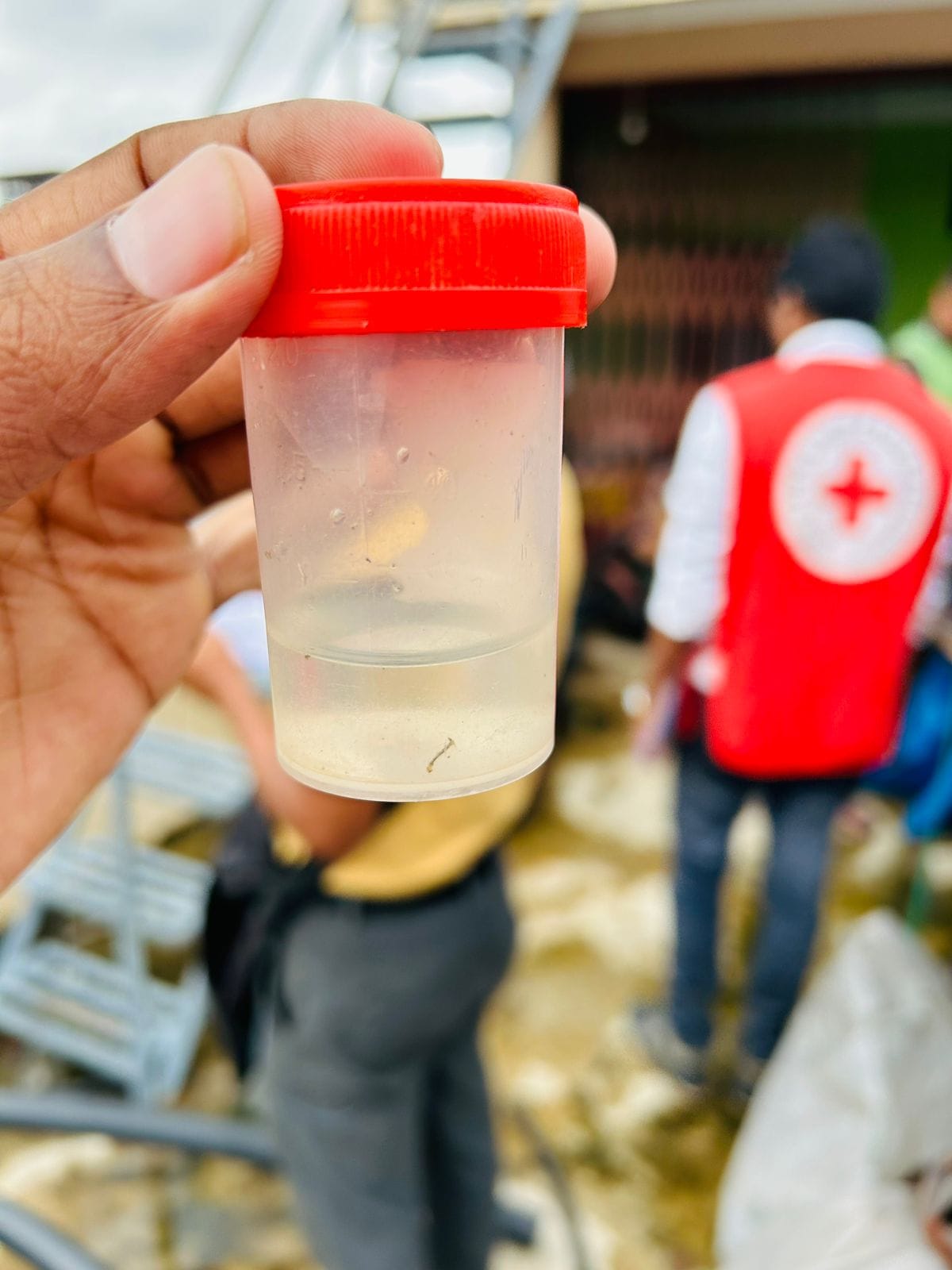
- Community-based surveillance and mosquito site elimination
- Clean-up campaigns and school awareness programs
- Volunteer training and hospital support
- Prepositioning of vector control kits and Information, Education, and Communication (IEC) materials
The development of the sEAP was a collaborative effort between SLRCS, the Ministry of Health, the National Dengue Control Unit (NDCU), and the Department of Meteorology. Community volunteers and local Red Cross units played a vital role in localizing actions, identifying risk zones, and preparing for seasonal surges.
Promoting Environmental Sustainability and Education
The protocol also embeds environmental and educational elements, targeting over 60 schools and 28,000 individuals with initiatives focused on solid waste management, hygiene promotion, and regular clean-up drives.
A Scalable Model for Epidemic Preparedness
Implemented over a two-year period, the dengue sEAP is expected to significantly reduce the country’s annual dengue burden while serving as a proof of concept for anticipatory epidemic response. Building on this success, SLRCS is now exploring the transition to a full Early Action Protocol (EAP) to expand reach and effectiveness.
 |
 |
 |