
Transforming Small-Scale Farming Through Climate-Smart Techniques
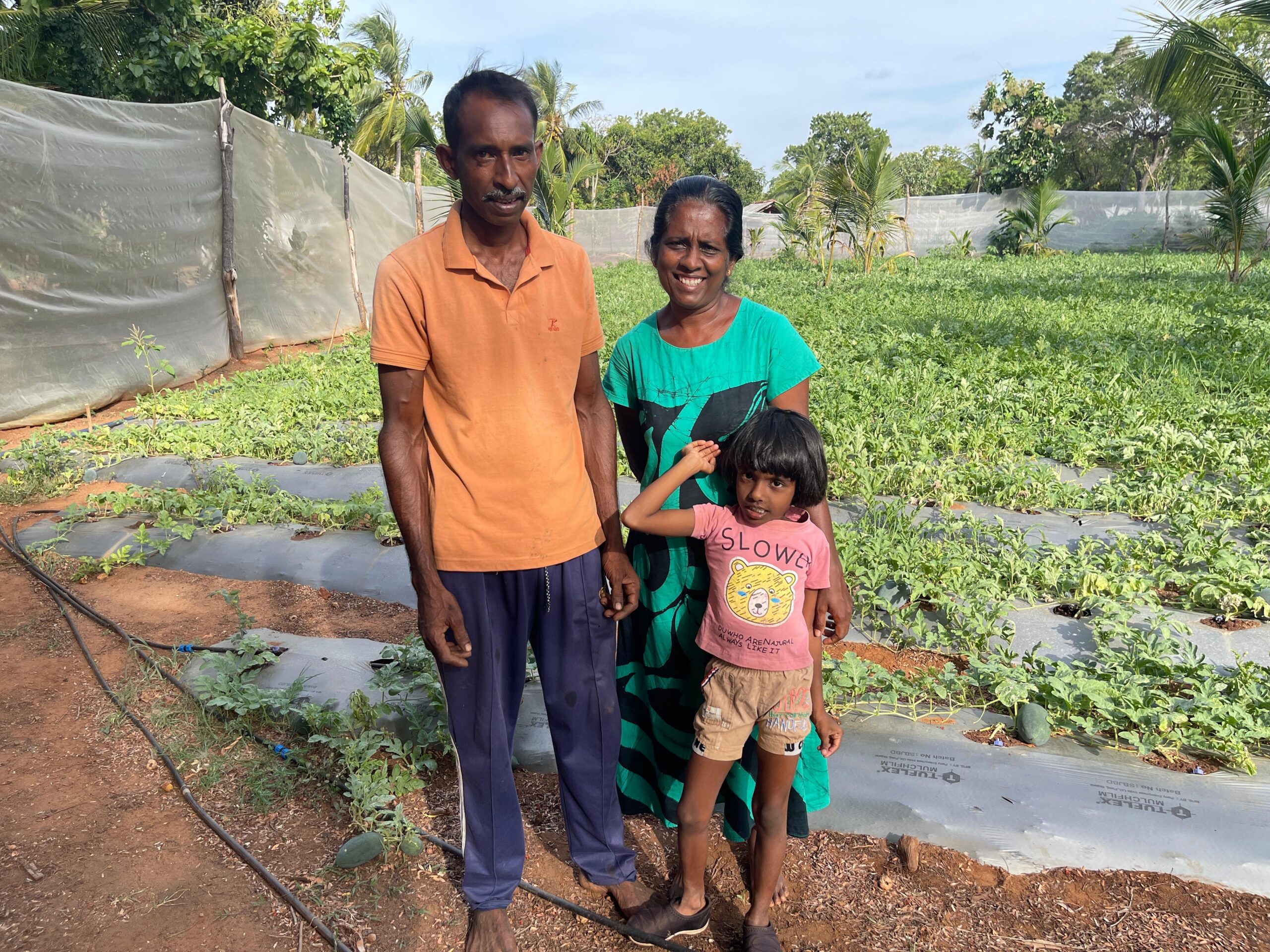
Nilmini Dissanayake, (44), and her husband Lal Sirimanna, (45), from Thanthirimale, have seen a remarkable transformation in their farming methods, leading to significant improvements in their livelihood. This significant change was made possible through the Managing Together Project, executed under the Ministry of Environment (MoE), funded by the Global Environment Facility (GEF), guided technically by the International Union for Conservation of Nature (IUCN), and implemented by the United Nations Development Programme (UNDP) in collaboration with the Sri Lanka Red Cross Society (SLRCS). With the guidance and support received, they are now cultivating watermelons successfully, and the cultivation is flourishing.
 |
“Before we started watermelon cultivation, we were growing brinjals (egg plant) using the traditional seedbed method,” Nilmini explains. “It was simple and familiar, but the yields were low and unpredictable. We couldn’t cultivate year-round, and maintaining soil fertility was always a challenge.”
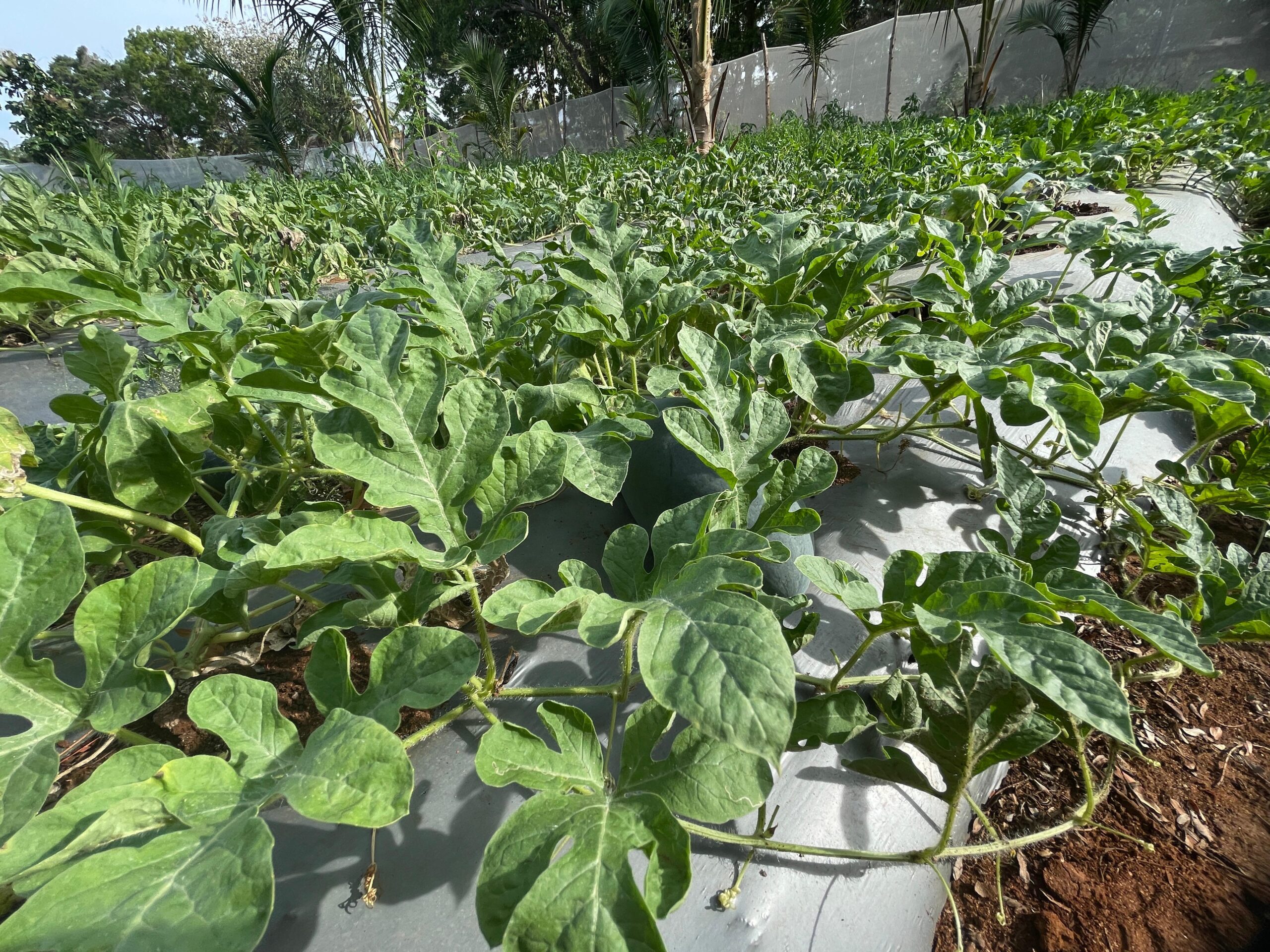
She adds, “Through the project, we learned about raised bed farming with drip irrigation and polythene mulch, a technology that was completely new to us. This method conserves water, keeps the soil fertile and moist, suppresses weeds, and protects our crops from pests. It has significantly reduced water use and enabled us to achieve higher yields year-round, even on our limited land.”
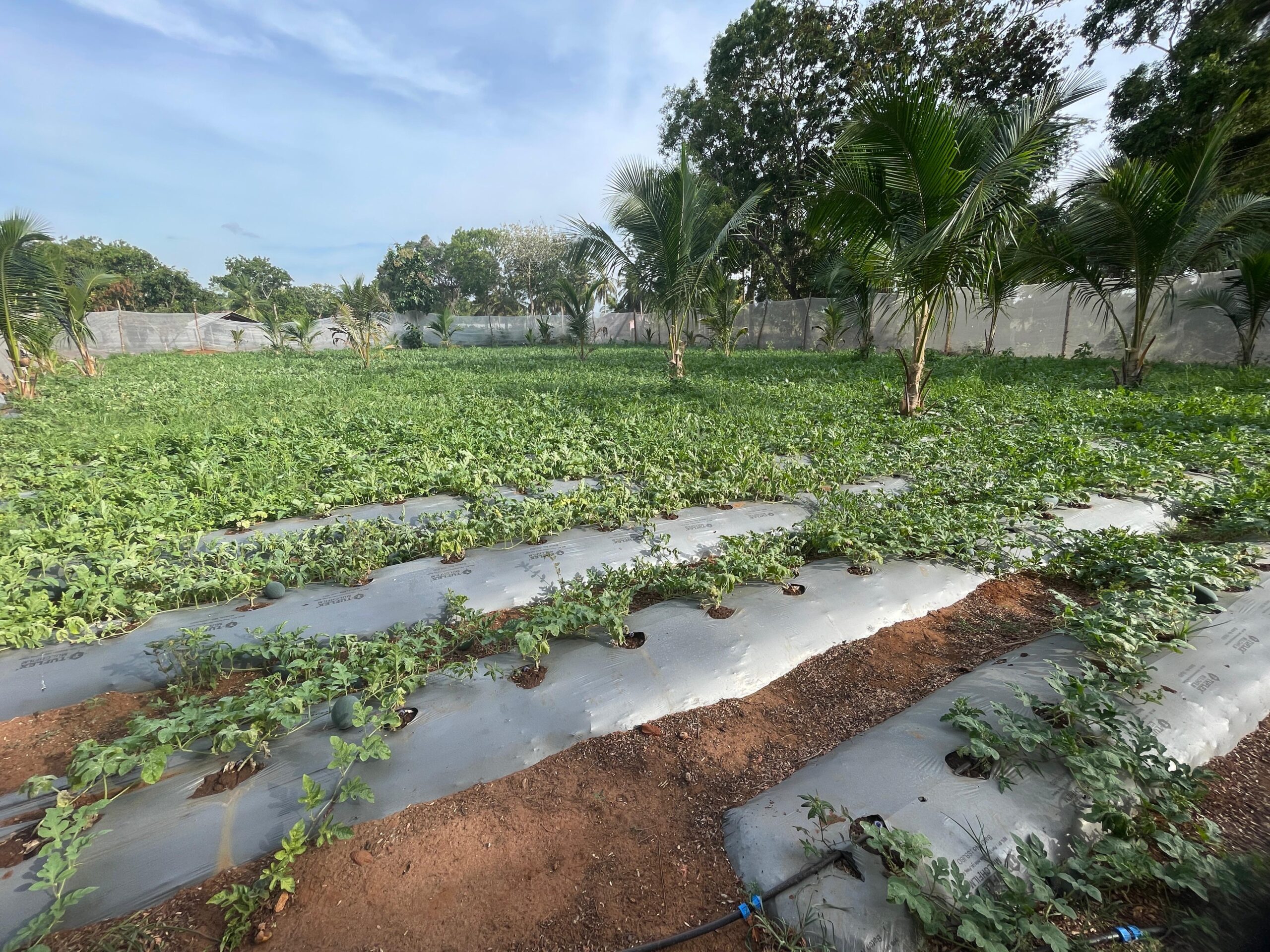 |
The project provided essential tools and support, including insect nets to protect crops from pests and animals, soil mulches, a drip irrigation system, and training to familiarize them with the technical knowledge required. “If we had purchased these ourselves, it would have cost nearly 400,000 LKR. With the project’s support, our initial investment was only 100,000 LKR, and subsequent planting costs have been reduced to around 75,000 LKR per cycle.”
“The training we received has empowered us to maximize productivity sustainably. We can reuse the soil and irrigation system for multiple planting cycles, saving time, energy, and resources.”
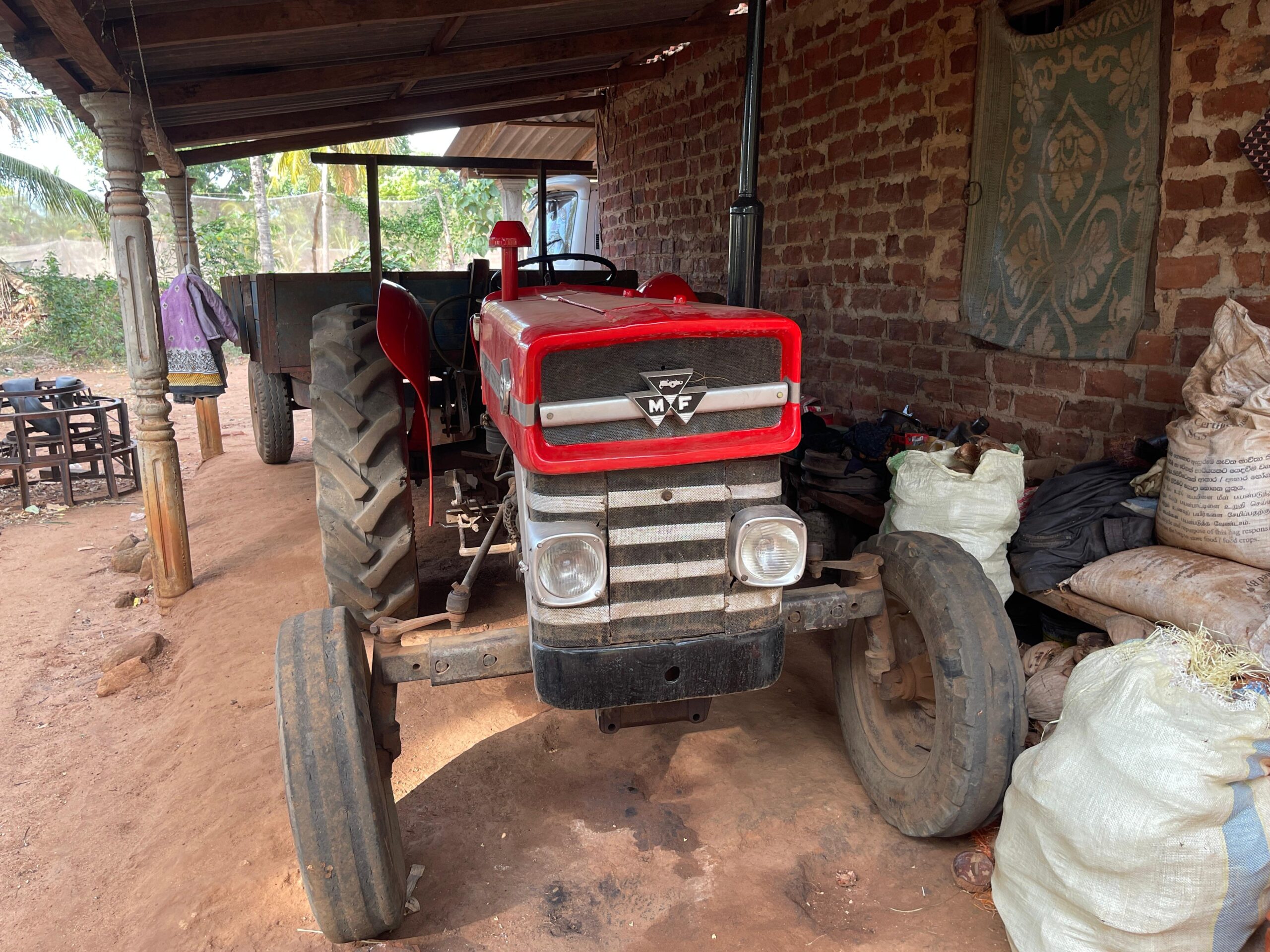
The transformation has been remarkable. Nilmini’s first harvest yielded 8,500 kg of watermelon, worth 850,000 LKR, which enabled her to purchase a tractor and further improve farming efficiency. The combination of drip irrigation and protective nets now allows crops to be grown year-round, with a harvest ready in just two months.
 |
They have also expanded their watermelon cultivation. “Sometimes the price goes down, but it doesn’t cause us a loss. We can still make a profit because our investment is easily recovered,” Nilmini explains. “This project has truly transformed our farming practices, allowing us to earn a higher income and improve our livelihoods,” she adds proudly.
 |