Advancing Disability-Inclusive Humanitarian Action in Sri Lanka
In Sri Lanka, a country with frequent crises that compound risk factors, children and persons with disabilities were historically neglected when it came to disaster preparedness or response. While some progressive policy existed, the practice of disability inclusion was piecemeal and underfunded. So, recognizing this gap, UNICEF and the Sri Lanka Red Cross Society, along with Government institutions, UN entities and civil society, launched a new program to address the issue of Disability-Inclusive Humanitarian Action Preparedness in the provinces of Eastern, Northern, Central, Uva, and Sabaragamuwa.
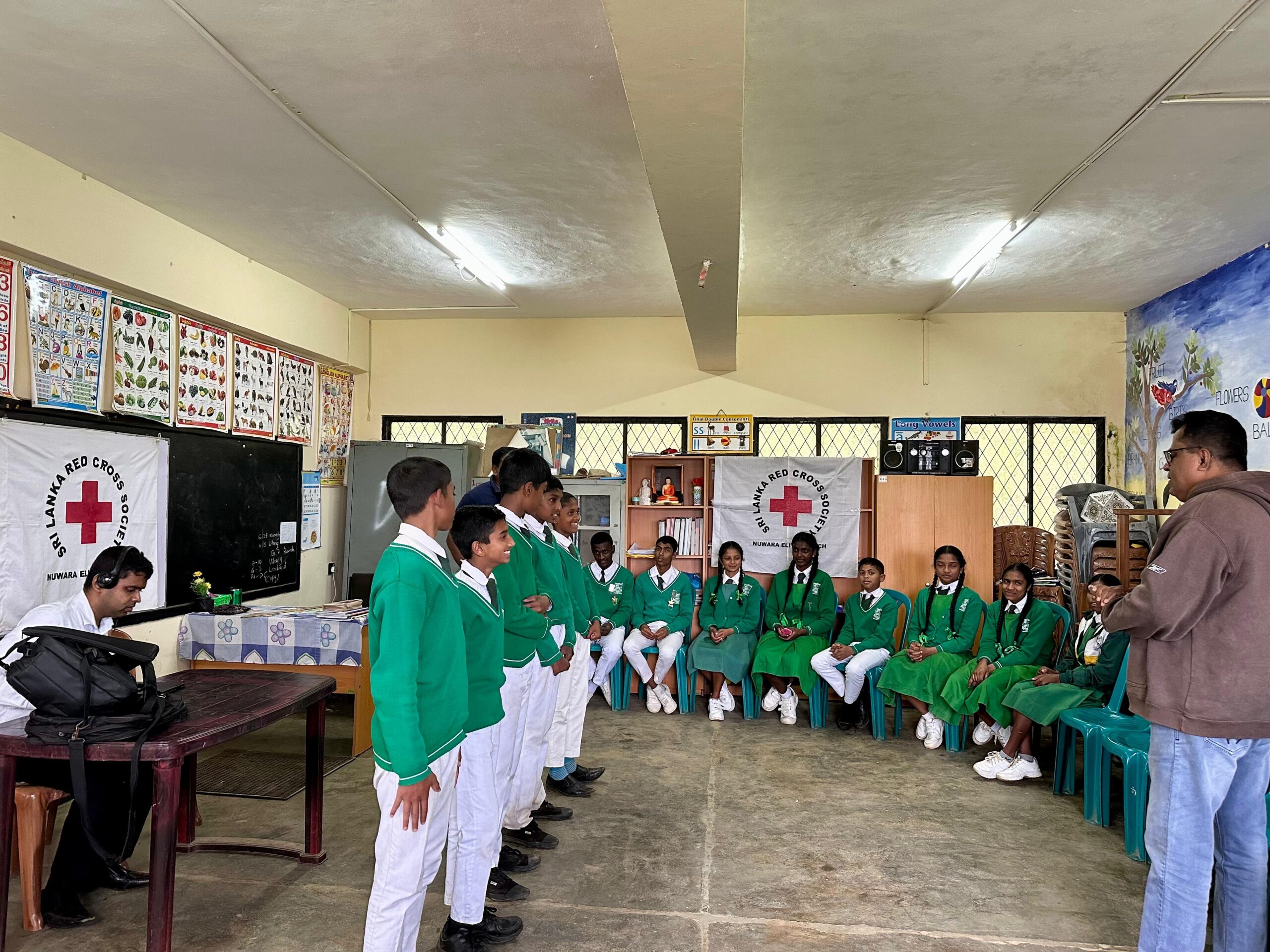
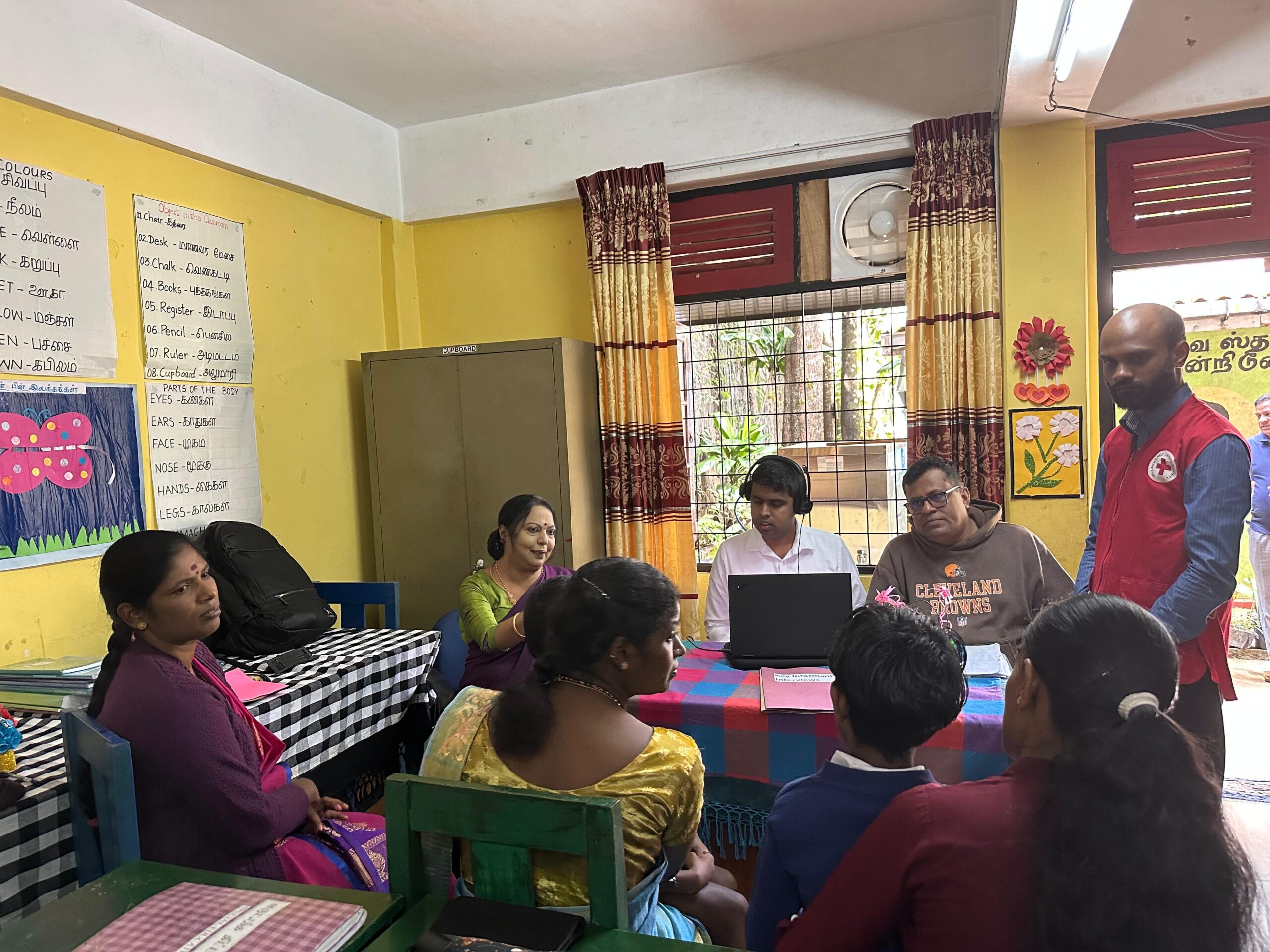
The program adopted a participatory process focused on lived experience and action.As part of the program, focus group discussions and consultations were held with children with disabilities, their caregivers, front line responders, and Organizations of Persons with Disabilities (OPDs). These discussions allowed to probe deeply into systemic barriers and solutions; it positioned a range of diverse and relevant stakeholders to collectively agree on and adopt such challenge and solutions analysed and considered from lived experience that is often dismissed in discussions about disability inclusion.
A major accomplishment was the development of local, Multi-language training resources, based on international tool-kits, including the INEE Harmonized Training Package which was eventually translated into Sinhala and Tamil, and contextualized for Sri Lanka’s cultural and regulatory situation. The resources addressed both education and child protection contexts and trained schools and institutions on how to protect children with disabilities and ensure their continued education during crises.
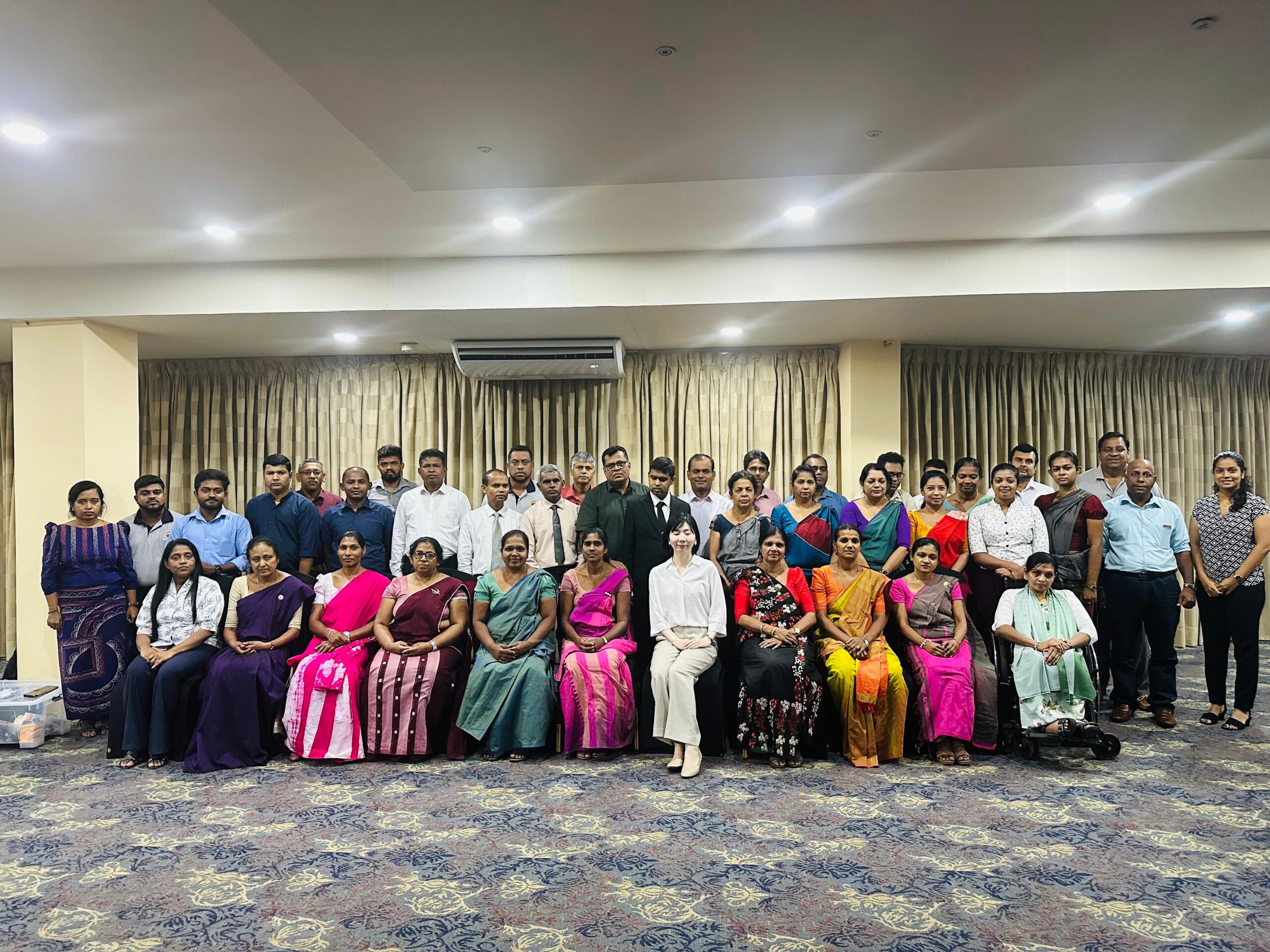
Beyond resources, the program created actionable pathways through a series of capacity-building workshops conducted across the country. Educational officials, child protection actors, OPDs, and disaster management teams participated in peer-to-peer, hands-on training sessions. These sessions prioritized the perspectives of children with disabilities, challenging participants to transform their mindsets because when it comes to inclusion, it was a priority that could not be overlooked.
Ultimately, the project’s greatest success lies in driving systemic change. By embedding disability inclusion within Sri Lanka’s humanitarian framework, the initiative lays the foundation for long-term transformation. The collective process underscores that all children with disabilities deserve dignity, protection, and equal access to education even in times of crisis. As a model for the region, Sri Lanka demonstrates that inclusive preparedness is not merely aspirational – it is achievable. Through collective action, amplified voices, and institutionalization, Sri Lanka is building a more just, resilient, and humane future.
 |
 |
|