
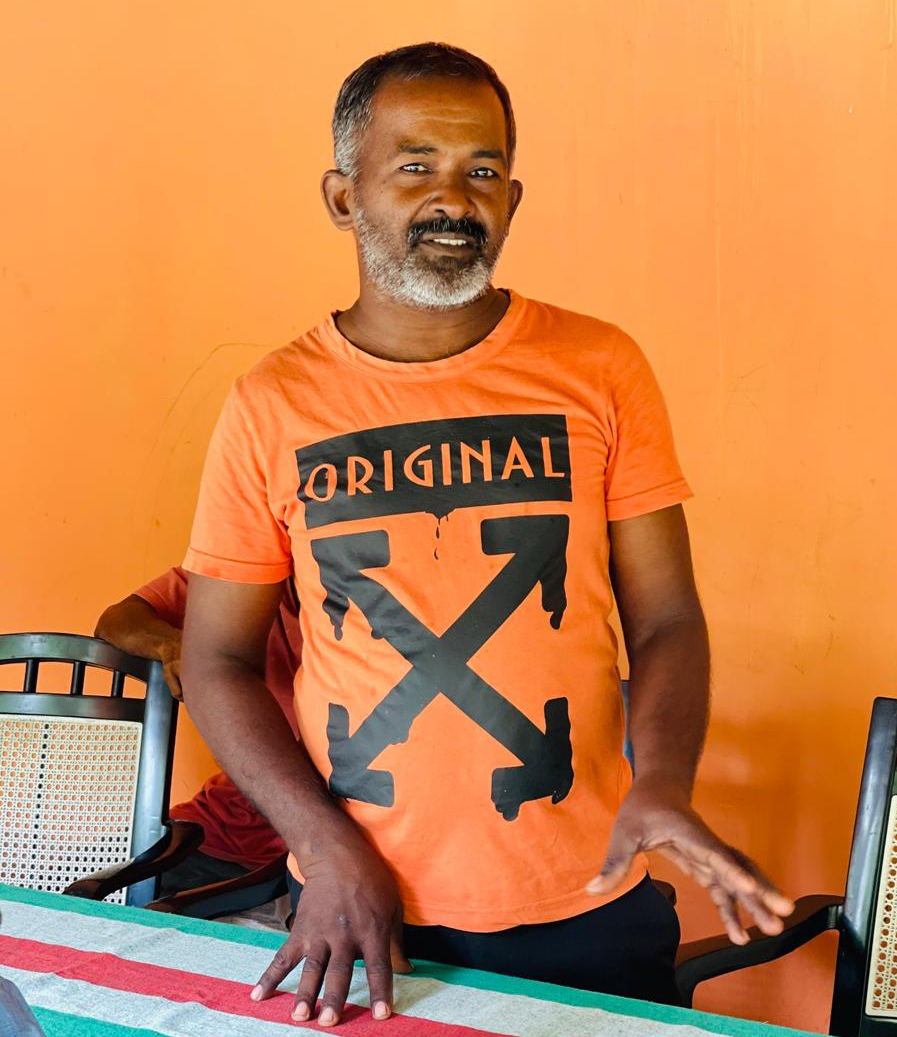
Building Climate-Resilient Farming in Kurunegala: The Story of B.N. Samantha Wijekoon
For years, farmers in Sri Lanka’s Dry Zone faced the uncertainty of unpredictable rainfall and limited water supply. In Kurunegala, B.N. Samantha Wijekoon had experienced the frustration of past interventions that failed to deliver lasting benefits. “Before, most projects provided temporary solutions,” he recalls. “Even with financial support, they were unsustainable and offered no real advantage to the government, our community, or our villages.” Naturally, when the Climate Resilient Integrated Water Management Project (CRIWMP) was introduced, Samantha admits he had little hope.
CRIWMP, a seven-year initiative launched in 2017, is financed through a grant from the Green Climate Fund (GCF), with the Government of Sri Lanka co-financing project activities. The Ministry of Irrigation serves as an implementing partner, with technical support from the United Nations Development Programme (UNDP). The project aims to strengthen the resilience of smallholder farmers by rehabilitating village irrigation systems, introducing climate-smart agricultural practices, and connecting communities with key government institutions.
As the project was implemented, Samantha and his fellow farmers quickly realized that CRIWMP was different. Through the project, they were linked to agencies such as the Agrarian Development Office, Department of Agriculture, and Department of Meteorology, giving them access to guidance and support when needed.
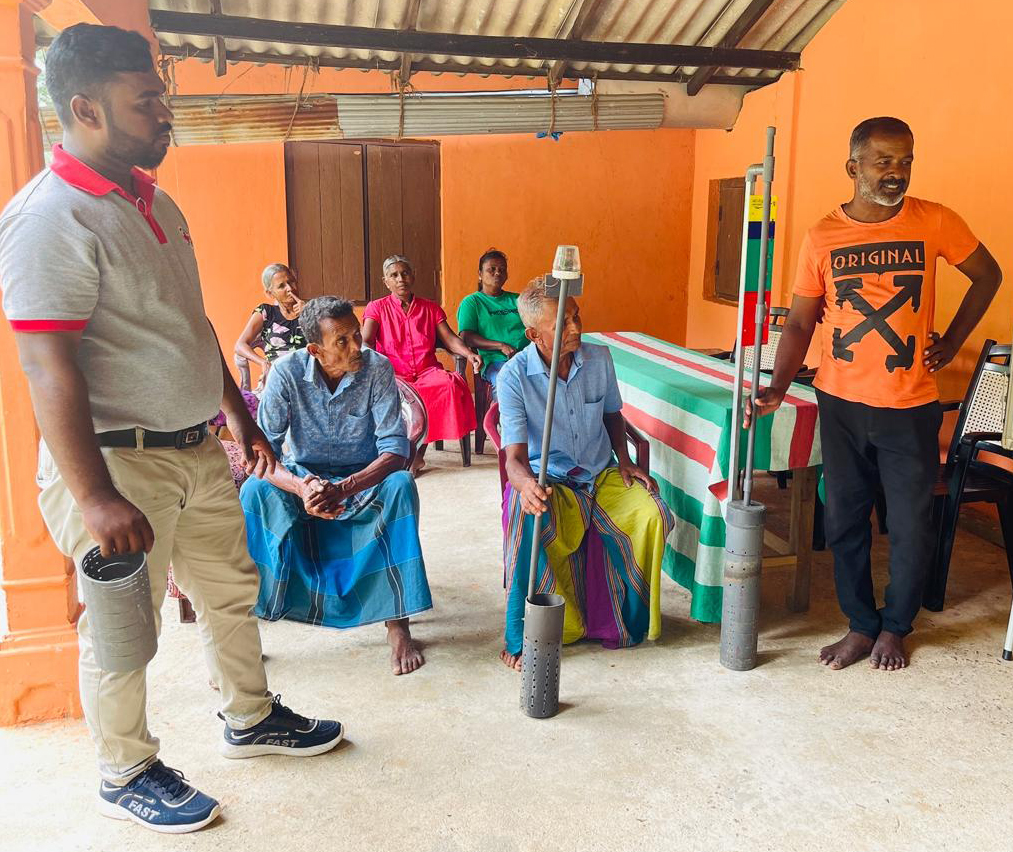
CRIWMP also introduced practical innovations that transformed farming practices. Water Level Gauges, installed in village tank, allowed farmers to monitor water availability accurately and make informed decisions on when to begin or pause cultivation. “Even with a small amount of water, we can now start paddy cultivation without fear,” Samantha explains.
Field levelling further improved irrigation efficiency. “Since our fields were levelled, water spreads evenly across my two-acre paddy field. Unlike before, I only need to cut five bunds for irrigation, saving both time and effort,” he adds. Farmers now also plan activities based on weather forecasts, reducing risk and improving crop productivity.
For Samantha and his community, CRIWMP has been more than a project, it has been a transformation. By combining technology, climate-smart methods, and strong links to government support, farmers in Karuwalagaswewa Yaya now manage their fields more efficiently, adapt to changing climatic conditions, and grow with confidence.
The Sri Lanka Red Cross Society (SLRCS), as an implementing partner, plays a central role in mobilizing farmer communities, facilitating adoption of climate-resilient practices, coordinating with government institutions, and monitoring project impact. Through this collaboration, CRIWMP continues to build sustainable agricultural resilience in Sri Lanka’s Dry Zone.
 |
 |